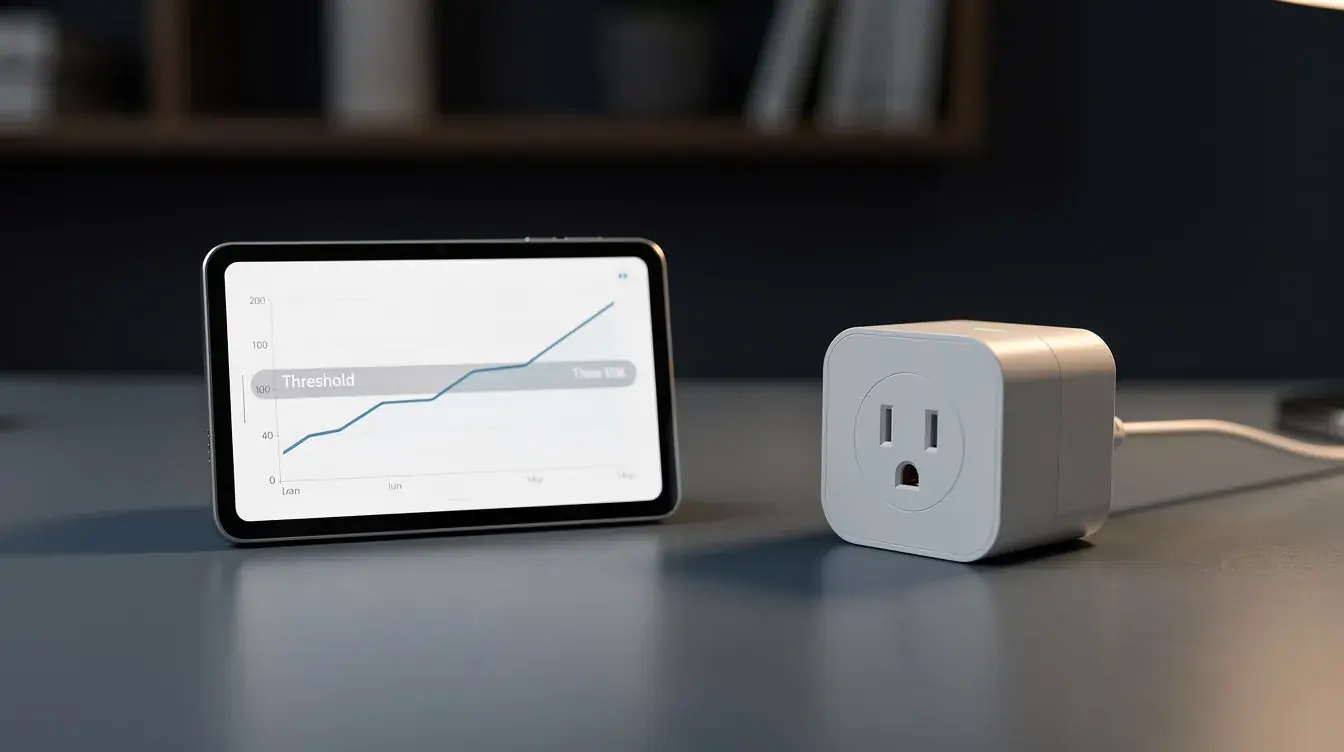
An electricity price threshold is one of the easiest ways to put a spot tariff to work for you. You set a price limit, and the smart plug only switches an appliance on once electricity is cheap enough. This approach is especially useful if you want clear control over your costs but don't want to track price swings manually every day.
What Is an Electricity Price Threshold?
An electricity price threshold is the price below which the system is allowed to switch an appliance on. In simple terms, you set your own limit, and the smart plug waits for a good moment instead of running at any time.
This approach suits anyone who wants a clear rule: if electricity is cheap, the appliance runs, if it's expensive, it waits. It's easy to understand even without any technical background, and it gives you much more precise control over your cost ceiling.
Pro tip: If you don't want to overpay during peak hours, a price threshold is often easier to get your head around than more complex scheduling scenarios.
How Is a Price Threshold Different from Cheapest Hours Mode?
A price threshold works differently because the main priority is the price itself, not a specific number of hours. Cheapest hours mode looks for a set number of the best-value hours, while threshold mode only switches on when the price falls below the limit you've chosen.
- Cheapest hours suits you when you know how long the appliance needs to run.
- Price threshold suits you when what matters most is not going over a certain price.
They're not competing modes. They're two different ways of organising the same goal, spending less on electricity while keeping everyday life convenient.
If it matters to you to know exactly what price you're willing to pay for electricity, threshold mode is usually the most straightforward place to start.
What Price Threshold Should You Set?
The best price threshold depends on your appliance, your comfort needs, and how tightly you want to control costs. A very low threshold gives you a bigger savings potential, but the appliance will switch on less often. A higher threshold gives you more flexibility, but less price discipline.
- A very low threshold suits you if the appliance can wait a long time and maximum savings matter most.
- A medium threshold is often the best starting point for everyday use.
- A higher threshold suits you if steady appliance operation matters more than strict savings.
If you're not sure, start with a moderate limit and check after a couple of weeks whether the appliance runs often enough and whether the cost result satisfies you.
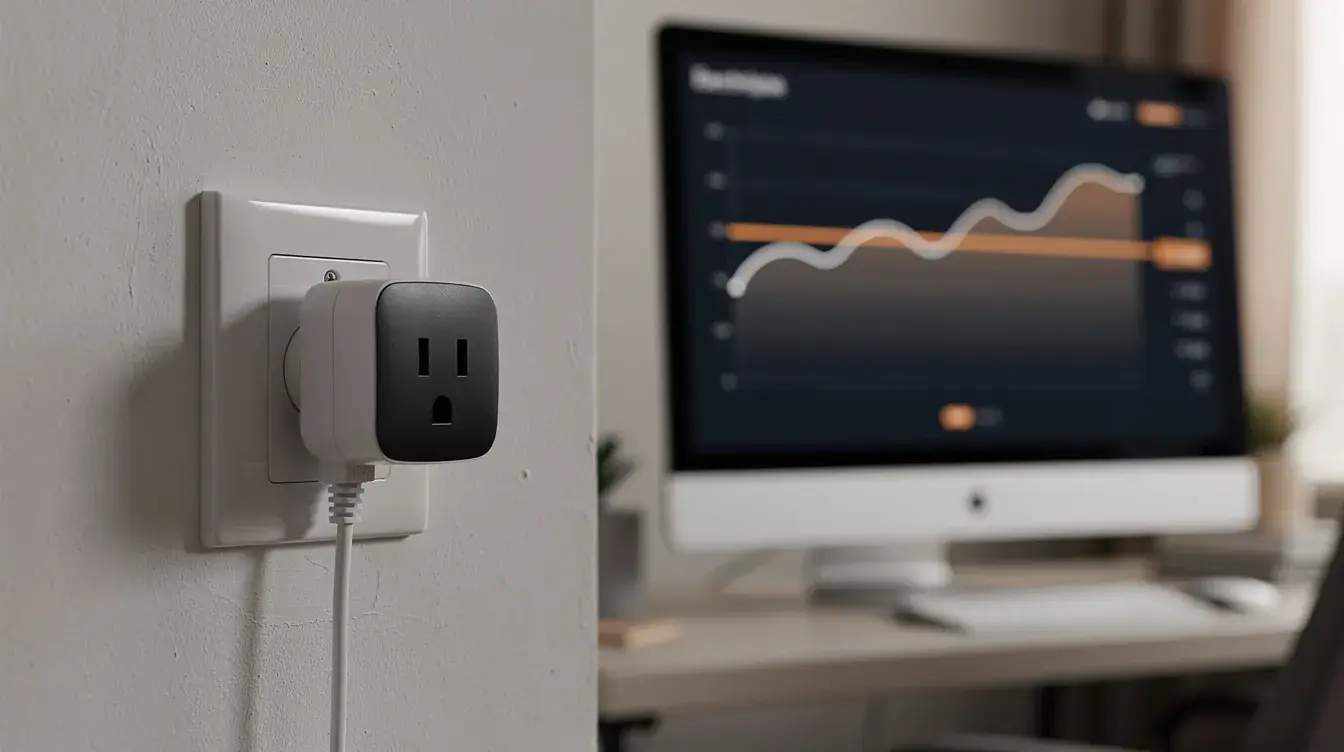
Which Appliances Work Best with a Price Threshold?
A price threshold works best for appliances that can run whenever the price allows it. This mode is especially useful when the exact start time doesn't matter to you, but it does matter that the appliance avoids the most expensive moments.
- Water heater, a good example, since hot water is stored and the appliance doesn't need to run continuously.
- Electric heater, suited to rooms where heat can be managed more flexibly.
- Charging devices, useful when the start of charging isn't urgent.
- Secondary appliances, anywhere an instant switch-on isn't required.
Watch out: If an appliance absolutely must run at a specific time, a price threshold may not be the best choice. A cheapest-hours-within-a-window mode may suit that case better.
A price threshold is a good fit when you want a system that's strict about cost, but simple to use.
How Do You Set Up a Smart Plug with a Price Threshold?
Setup is simple: choose price threshold mode, enter your limit, and save the settings. From that point on, the system tracks the price on your behalf and makes the decision automatically.
- Open the settings in your dashboard.
- Choose price threshold mode.
- Enter the price below which the appliance is allowed to switch on.
- If needed, review the results after a while and adjust the threshold.
If you want to see how this mode compares with other scenarios, take a look at Spotvolt features. It helps you decide whether a price threshold, cheapest hours, or another control approach suits your household best.
Pro tip: Don't set too aggressive a limit at the start. A safer starting point usually gives you a better balance between savings and practical appliance operation.
When Is Price Threshold Mode the Best Choice?
Price threshold mode is most rewarding when avoiding expensive hours matters to you and you're fine with the appliance sometimes waiting. It's a good solution for anyone who wants simple cost control and a clear rule, without manual involvement.
It works especially well when the appliance can use cheaper periods without affecting your comfort. A water heater is a good example here, since you don't need to be involved in every decision, yet the benefit of the cheaper hours can still be felt.
A price threshold is a good choice for anyone who wants a simple, disciplined way to stop appliances running during unnecessarily expensive hours.
What's the Smartest Way to Start Using a Price Threshold?
The smartest way to start is to pick one appliance and give yourself time to watch the results. That lets you see whether the threshold you set is too strict, too high, or just right for your everyday life.
If you want to start with a ready-made solution and clear control, take a look at the Spotvolt product and work out which usage scenario best fits your consumption.
An electricity price threshold isn't a complicated setting. It's a practical way of telling the system: only switch on when it's cheap enough.