Many people buy a smart plug thinking it will automatically cut their electricity bill. In reality, the saving doesn't come from the plug itself, it comes from how cleverly your consumption gets shifted to the cheapest hours. That's why it matters to choose not just a "smart socket", but a solution that's easy to live with, understandable without any technical background, and that helps you make cheaper decisions every single day.
Why isn't a basic smart plug enough to save money?
A basic smart plug often isn't enough, because all it does is let you switch an appliance on or off remotely. If you still have to check prices every evening and decide yourself when to turn on the water heater or the washing machine, the convenience is limited and the saving quickly becomes inconsistent.
The real benefit starts once the smart plug works together with automation. That means the system picks the cheapest hours on its own, or only switches on below a price you set. This approach is worth far more than a simple button in an app.
Pro tip: If a smaller bill is the main goal, choose a solution that thinks in price terms, not just remote switching.
What do buyers most often get wrong?
The most common mistake is assuming that "smart" automatically means "money-saving". Many cheap plugs are handy for a lamp or a coffee machine, but they aren't built to work with everyday electricity price logic. Without price-based control, the saving stays entirely in your hands, not in the system's.
How does a smart plug actually lower your electricity bill?
A smart plug lowers your bill when it shifts the right appliances' running time to the cheapest hours. In Latvia, the day-ahead price can swing considerably within a single day, so the same task can cost a different amount depending on which hour it runs in.
For example, if a water heater uses several kilowatt-hours every day, heating it during a cheap night hour usually costs less than heating it in the evening, when demand is higher. The same applies to a dishwasher, a washing machine, small heaters and, in some cases, charging devices too. If you want to see what the price picture looks like specifically for Latvia, you can check it in the Nord Pool electricity prices section.
The saving doesn't come from the appliance's name, it comes from the ability to automatically use electricity when it costs less.
A good smart plug isn't a toy. It's a small everyday tool for keeping your bill under control.
Which appliances save the most with a smart plug?
This kind of solution works best for appliances that don't have to run at this exact minute. If an appliance can wait for a cheaper hour, it's a good candidate for automation.
- Water heater - one of the best options, because hot water stays warm for a while once it's heated.
- Dishwasher - you can run a cycle overnight or during the cheap morning hours.
- Washing machine - especially useful if washing regularly is already part of your routine.
- Electric heater - a good fit if you only want to heat a room during the cheapest periods.
- Certain charging devices - if the charging can be shifted to overnight.
Careful: Not every appliance should be controlled with a smart plug. Always check the power load, the manufacturer's recommendations, and whether the appliance resumes working as expected once power is restored.
If all you have at home is lighting and phone chargers, the saving will usually be minimal. If you have a water heater or other appliances with more noticeable consumption, the result becomes far more interesting.
What should you check before buying a smart plug?
Before buying, it matters more to understand your own habits than to compare prices alone. The right question isn't "which model is cheapest", but "does this solution fit my appliances and my tariff".
- Do you have a spot tariff? If the price doesn't change by the hour, the benefit of this kind of automation will be smaller.
- Which appliances use the most electricity? Start with one or two appliances where the effect will be most visible.
- Do you want to track prices yourself? If not, choose a solution with automatic modes.
- Does simple management matter to you? The control panel should be clear even without technical experience.
- Do you want to see a history? An overview of consumption and activity helps you confirm the settings are working in your favour.
If a simple choice matters to you, take a look at Spotvolt features and compare which modes fit your particular way of using electricity.
Pro tip: For your first test, pick one appliance with clear, predictable consumption. That lets you quickly see how big the benefit is in your own home.
Which automation mode is best for a smart plug buyer?
The most useful mode depends on how you use your appliance. For some, maximum saving matters most, for others it's a set running time or greater predictability.
When should you choose cheapest hours mode?
This mode works well when an appliance needs a set number of hours a day. A water heater, for example, may only need a few of the cheapest hours, and the system finds them on its own.
When should you choose price threshold mode?
Threshold mode suits you if you want to switch an appliance on only once electricity is "cheap enough" by your own limit. It gives you more control over the price, but slightly less predictable running times.
When is a window or schedule the better fit?
If an appliance needs to run within a specific part of the day, a window or a schedule is the answer. It's practical for households that want to combine saving with a convenient daily rhythm.
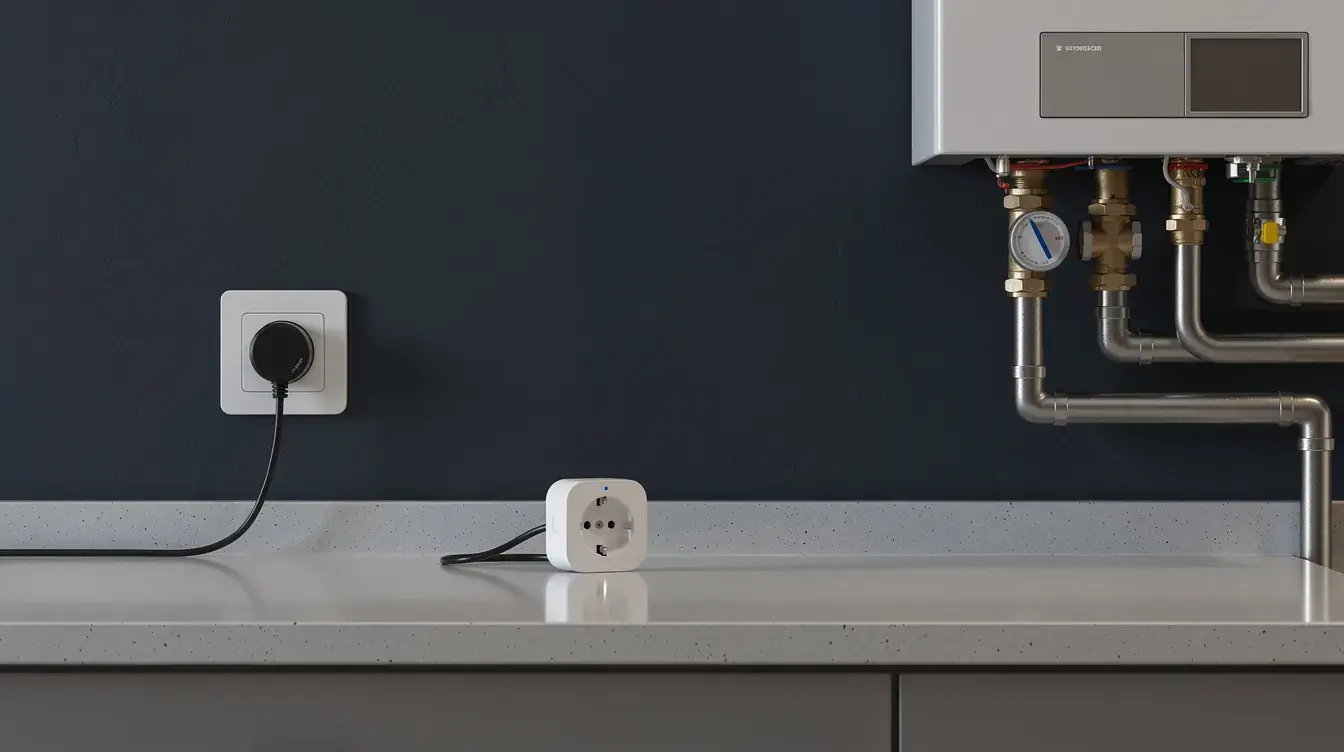
The best mode isn't the cleverest one on paper, it's the one you'll actually use every day without having to think about it.
How much can you really save with a smart plug on a spot tariff?
The saving depends on your appliances, your habits and how much prices swing, but in practice it shows up most clearly once you automate appliances with noticeable consumption. If you only shift small chargers, the effect will be almost unnoticeable. If you shift a water heater, a heater or regular laundry runs, the benefit becomes much more tangible.
It's more realistic to think in terms of consistent optimisation rather than a miracle. A handful of well-chosen hours a day, for instance, can add up to a real difference over a year compared with running things at random in the evening, when prices are often at their highest. That's why a smart plug is best judged as an improvement to your everyday routine, not a one-off trick.
Careful: If someone promises a guaranteed large sum for every household, that's not a serious claim. It's more accurate to look at your own consumption and start with the appliances where shifting the time genuinely makes a difference.
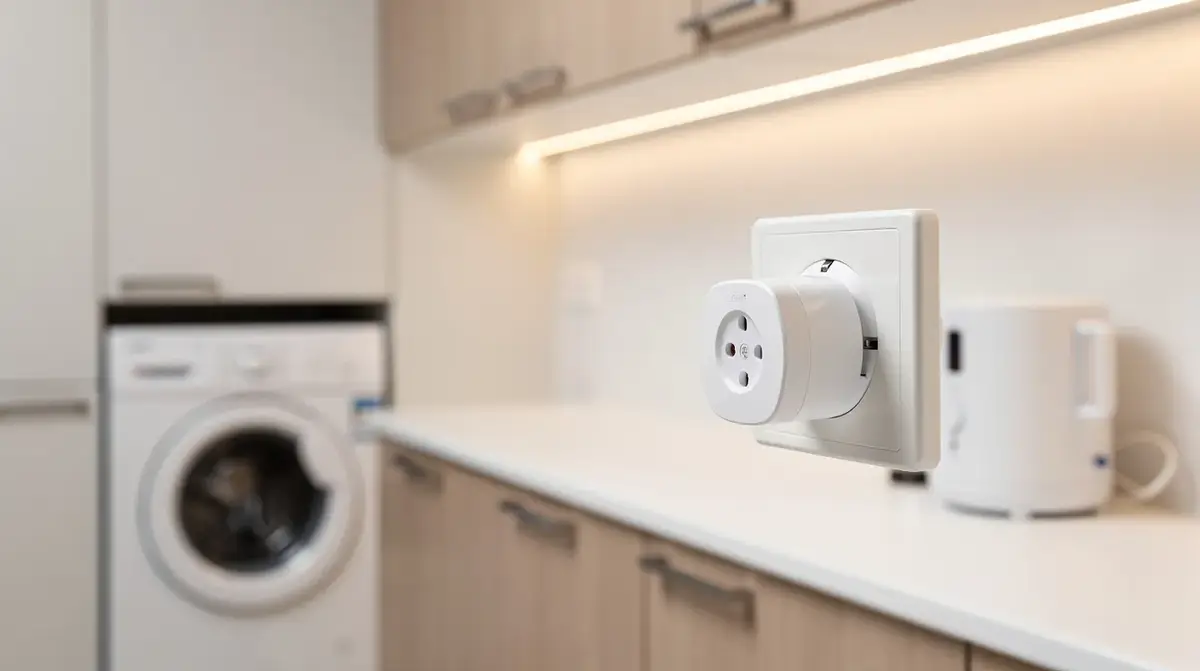
How do you know if a smart plug will still be worth it long-term?
A solution stays convenient long-term if it doesn't demand your daily attention. If, after the first week, you're still opening a price table and making a manual decision every day, the system hasn't really done its job.
- The control panel should be clear without any extra training.
- The settings should still make sense a month later, not just on day one.
- You should be able to change mode quickly if the season or your habits change.
- You should be confident the system is helping you save, not creating extra work.
If you're looking for a ready-made solution built exactly for this use case, take a look at the Spotvolt product and decide which appliance you'll start your first test with.
Pro tip: The best rollout usually starts with one clear scenario, a water heater or a dishwasher, for example. Once that's working, adding the rest of your appliances is much easier.
What's the smartest first step when choosing a smart plug?
The smartest first step isn't buying several devices at once, it's testing one strong use case. Pick an appliance with clear consumption, look at the price pattern, and run the automation for a few weeks. Then it will be obvious whether this is the right direction for you.
A good smart plug solution isn't about technical complexity. It's a simple way to shift consumption to cheaper hours without extra effort, and to make smarter electricity decisions every day.