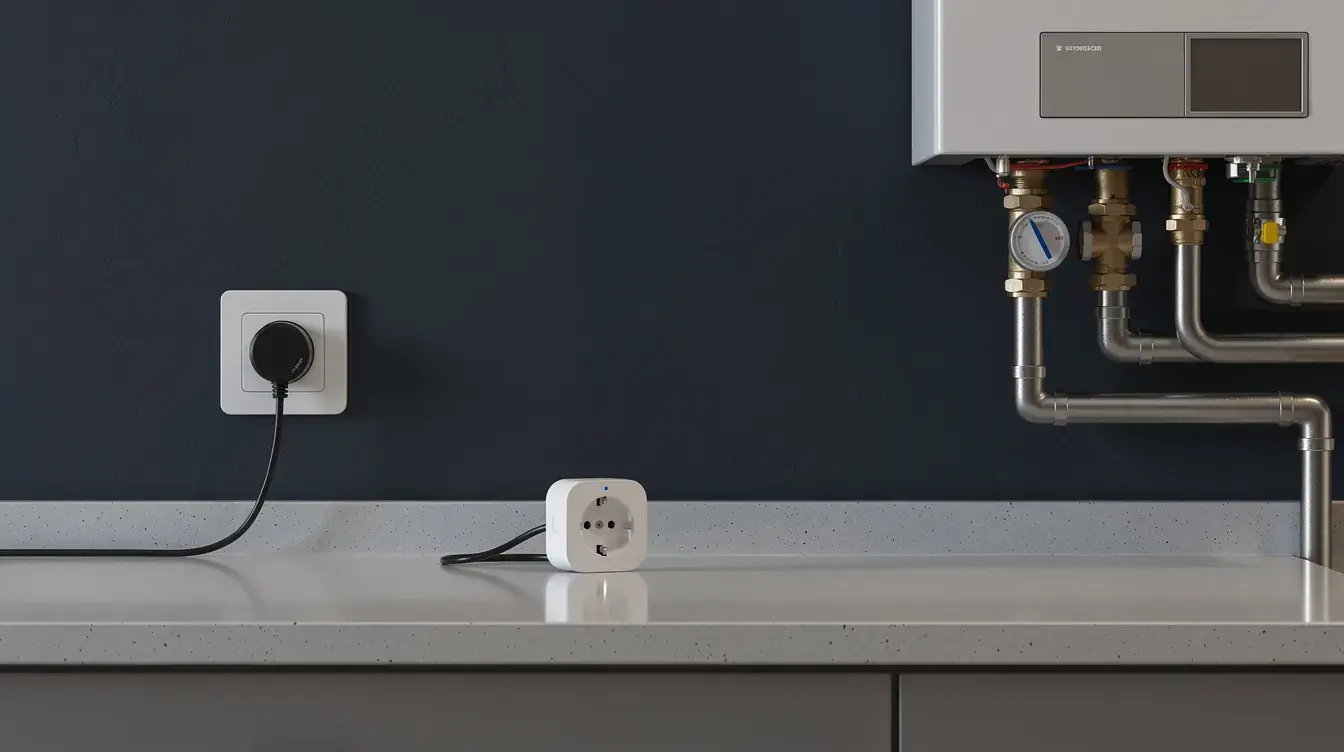
If you're on a spot tariff, the electricity price changes every day, and that has one very practical consequence, the same appliance can cost different amounts to run depending on the hour. That's exactly why a smart plug is more than just a handy button on your phone. Used correctly, it automatically shifts your consumption to the cheapest hours and cuts your electricity bill without any extra daily effort.
How does a smart plug help you save electricity?
A smart plug helps you save electricity by switching an appliance on during the hours when the electricity price is lower. That means your water heater, dishwasher or washing machine can run not at some random, expensive time, but exactly when the cost is more favourable.
The main benefit is consistency. Most people don't want to compare prices every evening and work out the right moment to switch an appliance on. When the system makes that decision instead, the saving becomes far more real and far more lasting.
Pro tip: The best first step is to connect a smart plug to an appliance with noticeable consumption that you can shift to a different time without any inconvenience.
What are the cheapest electricity hours?
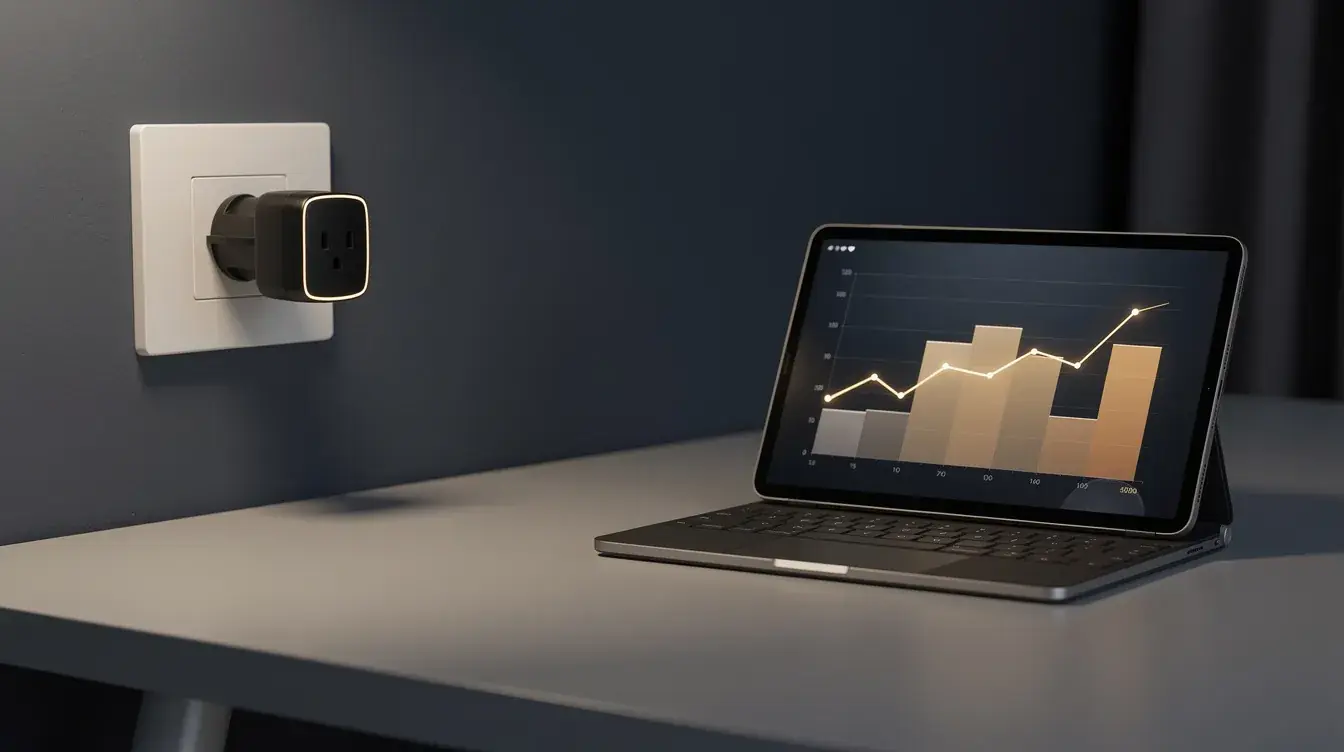
The cheapest electricity hours are the hours of the day when the spot price is lower than the rest of the day. In Latvia, prices often swing sharply, so there can be a noticeable difference between the cheapest and priciest periods on a single day.
In practice, this means night or early morning hours are often better value than the evening peak. If you want to see what these swings look like for your own day, check Nord Pool electricity prices and compare how much the cost can vary within a single day.
- Night hours are often cheaper than the evening peak.
- The morning peak and the evening peak are often the most expensive.
- At weekends, prices are often calmer than on weekdays.
The higher the consumption, and the easier it is to shift to a different hour, the bigger the benefit from cheapest hours automation.
How does cheapest hours mode work day to day?
Cheapest hours mode lets you specify how many hours a day the appliance needs to run, and the system picks the best times itself. You don't have to guess whether 1am or 4am is better, because the automation makes that choice.
For example, if a water heater only needs four hours a day, the system looks for the four best-value hours and switches the appliance on exactly then. This approach is especially useful for families who want to keep their comfort but cut costs without tracking prices every day.
Why is this worthwhile?
Because consumption gets shifted automatically, instead of being left to memory and chance. In the long run, that's usually what makes the biggest difference between a theoretical saving and a real one.
Which appliances does cheapest hours mode suit best?
Cheapest hours mode suits appliances that don't need to run at an exact moment. If an appliance can wait for a better-value time, it's a good candidate for automation.
- Water heater - one of the best options, since heat can be stored.
- Dishwasher - it can often be run at night or early in the morning.
- Washing machine - a good fit if you can schedule the wash for later.
- Electric heater - useful for rooms where you can pre-heat in advance.
- Charging devices - if the charge isn't needed straight away.
Careful: Before connecting anything, always check the appliance's power rating and make sure it's suitable for control via a smart plug. It's important that it resumes working as expected once power is restored.
The biggest saving usually doesn't come from small everyday gadgets, but from appliances with noticeable consumption and a flexible schedule.
How do you set up a smart plug for the cheapest hours?
Setup is simple when the solution is built for the end user. You choose a mode, set the number of hours, and let the system handle the rest for you.
- Open the dashboard and choose cheapest hours mode.
- Set how many hours a day the appliance needs to run.
- Save the settings and check the result after the first day.
- Adjust the number of hours if needed, to match your own habits.
If you want to see which modes are available for different use cases, take a look at Spotvolt features. It's easier there to work out whether cheapest hours, a price threshold, or a mode with a set time window suits you best.
Pro tip: Start with a slightly cautious setting, 4 hours a day for example, and then adjust it once you see the appliance manages fine with less.
How big a saving can you expect?
The saving depends on your appliance, your consumption and how prices move, but the logic is simple: the more electricity an appliance uses, and the easier it is to shift that use, the more noticeable the result. A water heater and regular washing cycles usually give a clearer benefit than small electronics.
The important thing is not to expect a miracle from a single day, but to look at the change in habits over a month or a season. A smart plug helps here not with promises, but with practical discipline, the appliance runs when it's actually worthwhile.
If you're on a spot tariff and have at least one suitable appliance, cheapest hours automation is one of the simplest ways to cut your electricity costs without complicating your lifestyle.
What's the best first step if you want to start?
The best first step is to pick one appliance with clear consumption and let the system control it for a few weeks. That gives you a quick, honest picture of how the automation works in your home, not just in theory.
If you want to start with a ready-made solution, take a look at the Spotvolt product and consider which use case would give you the biggest benefit soonest.
A smart plug for the cheapest hours isn't a technical toy. It's a practical tool that helps you use cheaper electricity more intelligently, more automatically, and with less daily effort.