Winter in Latvia means higher electricity bills, shorter days and the heating season running at full load. If you've switched to a spot electricity tariff, or you're just considering the move, you're probably asking whether the tariff still pays off in winter, or whether high prices swallow up any possible saving. The answer is straightforward: yes, it pays off, but only if you shift your consumption to the right hours. This article shows you how to do that in practice.
Why Do Electricity Prices Swing More in Winter Than in Summer?
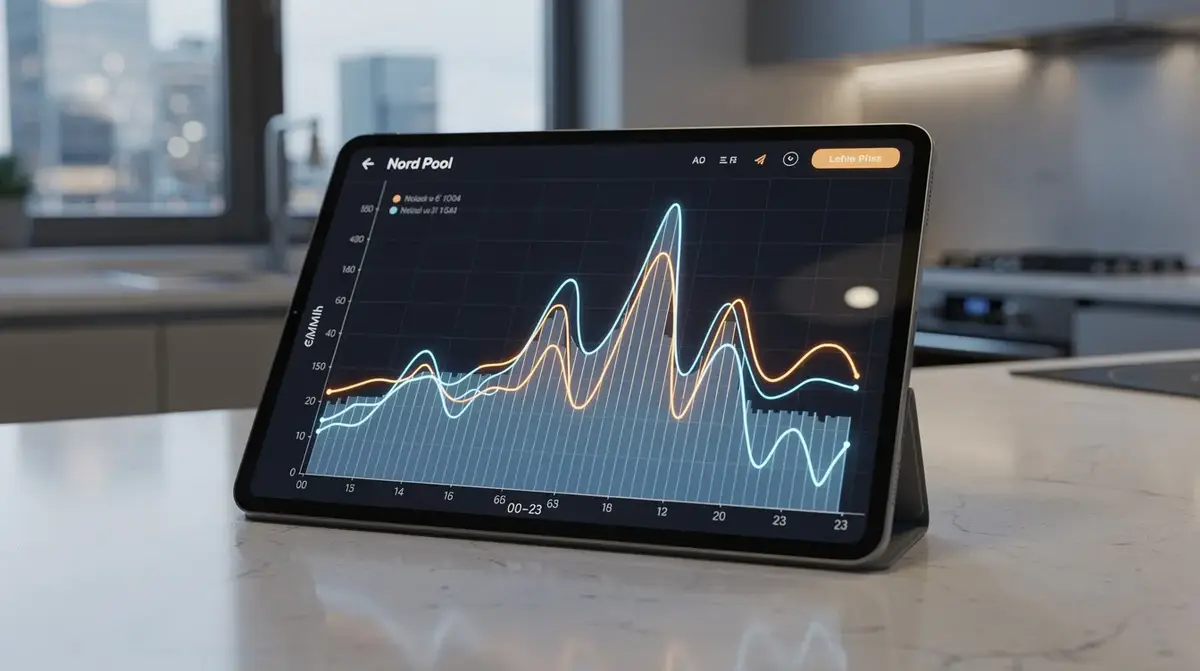
In winter, Nord Pool electricity exchange prices in Latvia swing far more sharply than in the warmer months, morning and evening peaks can be two to four times more expensive than night-time or midday prices. This happens because heating demand rises across the whole region at the same time, while generation capacity doesn't always keep up.
These swings create both a risk and an opportunity. A family that uses electricity without thinking, switching on the washing machine at 8am or heating water in the evening when everyone gets home, pays more than necessary. Meanwhile, someone who shifts their heavy consumption to the night hours or the afternoon "dip" can cut their bill significantly.
There's just one problem: nobody can check tomorrow's prices every single day and manually switch appliances on and off at the right moment. That's exactly where automation comes in.
Which Household Appliances Save You the Most in Winter?
Not every appliance is equally suited to automatic switching, what matters is whether the appliance can store energy or have its timing shifted. In winter, these appliances deliver the most:
Water heater
Heating water is one of the biggest electricity consumers in the home. A water heater stores heat well, if you heat it during the cheap night hours, hot water is available during the day at no extra cost. Automation can make sure the water heater switches on exactly when prices are lowest, and switches off before the morning peak.
Electric vehicle
Charging an EV can cost EUR 25-50 a month. If you shift charging to the night hours, typically between 1am and 6am, when prices in Latvia are lowest, the saving can reach 30-50% of that amount. Read more on this topic in our article EV Charging on a Spot Price Tariff, Does It Pay Off?
Washing machine and dishwasher
These appliances are easy to shift to a cheaper time. An evening cycle at 11pm or midnight often costs considerably less than the same cycle at 6-8pm. With automation set up correctly, the appliance simply starts working the moment prices become acceptable.
Additional heating sources
If your home has infrared heaters, electric underfloor heating or other supplementary electric heat sources, they're also good candidates for automatic control. Heating during cheap night or early morning hours can store heat that keeps the room warm for several more hours.
Pro tip: Appliances with storage capacity, a water heater, battery charging, thermal mass, deliver the biggest saving on a spot tariff, because they "bank" cheap electricity for later use.
How Big Is the Real Price Difference Between Winter Hours?
In winter months, especially January and February, the hourly electricity price in Latvia can range from 3-5 cents/kWh at night to 15-25 cents/kWh during the morning and evening hours. That means running the water heater at 3am can cost three to four times less than heating the same amount of water at 8am.
"Who's going to track that every single night? Automation does it for me, I just check the bill next month."
This gap isn't random. It's a structural feature of Latvia's spot electricity market, factories, heating plants and heating systems running during the day create demand that eases off at night. You can check Nord Pool electricity exchange prices yourself to see just how significant this daily swing is.
For a household using 300-500 kWh a month, this difference means EUR 15-40 in savings a month, if consumption is properly spread out. Over a year, that's a significant amount.
Winter price swings on the Nord Pool exchange are larger than in summer. That means a bigger potential saving for anyone who shifts consumption to the cheaper hours, automatically, without daily monitoring.
Which Automation Modes Help Most During the Heating Season?
The Spotvolt system offers several operating modes, each suited to a different situation. Three matter most during the winter heating season.
Cheapest hours mode
This mode automatically switches an appliance on during the hours when electricity is cheapest that day. It's a great fit for a water heater or supplementary heater, you set how many hours you need, and the system independently picks the best-priced time from the next day's prices.
Price threshold mode
This mode switches an appliance on only when the electricity price is below a set value, for example, below 8 cents/kWh. If the price is higher, the appliance stays off. It's an ideal solution when the exact hour doesn't matter, but avoiding expensive electricity does. Read more about this feature in our article What Is an Electricity Price Threshold and How Does It Help You Save?
Cheapest hours window
This mode combines flexibility with control, you set a time window, for example from 10pm to 8am, and the system automatically finds the cheapest hours within it. It's useful when an appliance genuinely needs to run during a specific night or morning period, rather than at any point in the day.
To find out which of these modes suits the appliances in your home, read our article Which Automation Mode Suits Your Home Appliance?
Are There Situations Where a Spot Tariff Doesn't Pay Off in Winter?
There are cases where a spot electricity tariff delivers less benefit in winter, or even a loss. It's worth knowing these exceptions before making an informed decision.
- If your appliances aren't compatible with automation, small appliances that run continuously (TV, fridge, lighting) can't be shifted to cheaper hours, so they cost the market price regardless.
- If consumption happens at a fixed time, if heating or charging must happen at 7-9am, automation can't help, since that slot is often the more expensive one.
- If your household uses very little electricity, low overall consumption also means a smaller absolute saving. Households with a bill of EUR 20-30 a month will see a noticeable benefit, but not a dramatic one.
- If your supplier's fee is high, some spot electricity providers add a substantial fixed or percentage markup. Before switching to a spot tariff, compare total costs, not just the spot price.
Watch out: A spot electricity tariff isn't automatically a good deal for everyone. If most of your consumption happens in the morning or evening with no way to shift it, the saving can be minimal or even negative. Assess your appliances and habits first.
How Does Spotvolt Automation Deliver Savings Without Daily Effort?
The main problem with a spot electricity tariff is simple: you don't know tomorrow's prices this evening, and nobody can get up every night to switch the water heater on at the right time. The Spotvolt system solves this problem completely.
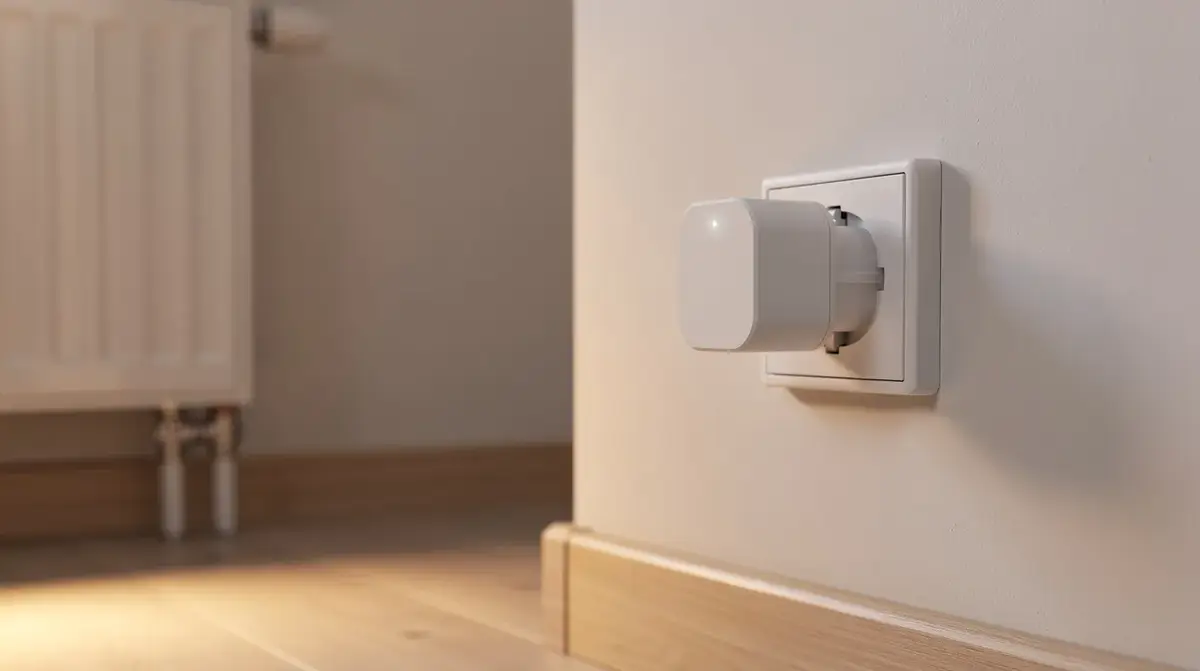
The device automatically pulls next-day price data from the Nord Pool exchange and switches connected appliances on or off according to your chosen mode. You don't have to do anything, no tracking prices, no setting a timer every evening, no checking a schedule.
What Happens in Practice?
Say you connect a water heater to the Spotvolt plug and set the "cheapest 4 hours" mode. From that point on, the system independently decides each day which four hours will have the lowest price, and switches the water heater on exactly then. You wake up to hot water and a lower bill, without lifting a finger day to day.
If you want to see how much electricity has been used and when, you can log into the Spotvolt dashboard at any time, it also shows your historical consumption chart and which modes were used.
Pro tip: Setup takes only a few minutes. Plug in the smart plug, choose your appliance and operating mode, and from that point automation runs on its own. No technical knowledge required.
How Much Can You Realistically Save in a Winter Month with Automation?
Concrete numbers help you make a decision. Let's look at a realistic example for a Latvian household on a spot electricity tariff.
Water heater, 80-150 litres, hot water for the family
On average, a water heater uses 100-150 kWh a month in winter. If you shift all of that consumption from the morning/evening hours (averaging 15-20 cents/kWh) to the night hours (averaging 5-8 cents/kWh), the difference is roughly EUR 10-15 a month from the water heater alone.
Electric vehicle, average use
A car that costs EUR 40-50 a month to charge can have that cost cut by EUR 15-20 if charging happens during the cheapest hours. That's an annual saving of EUR 180-240.
Washing machine and dishwasher
Even just 3-4 cycles a week, shifted to a cheaper time, delivers a EUR 3-6 monthly saving. Over a year, that's EUR 36-72.
Altogether, a household with a water heater, an EV and laundry appliances can realistically save EUR 25-40 a month, or EUR 300-480 a year. A Spotvolt smart plug pays for itself within a few months.
The real saving depends on your appliances and their consumption. For a water heater, EV or heating appliance, automation can pay for itself in just 2-4 months, after that, every month is pure benefit.
How Do You Get Started, Is It Really That Simple?
Many people assume automatic electricity optimisation requires technical knowledge or a complicated setup. In reality, it doesn't.
The Spotvolt smart plug is a ready-made solution that works from day one. There's no extra software to install, no home network to configure, no exchange data to study. You choose your appliance, choose an automation mode, and the system starts working.
To find out which automation modes are available and how they differ, take a look at Spotvolt features, every mode is explained there in plain language.
Pro tip: If you're unsure which appliance to start with, choose the water heater, it's the most rewarding starting point for most Latvian households. High consumption, storage capacity and flexible timing give you the fastest payback.
Ready to start saving this winter? Take a look at the Spotvolt product and see if it fits your situation.
A spot electricity tariff still pays off in winter, but only if your consumption is shifted to the cheapest hours automatically. The Spotvolt smart plug does this without any daily effort on your part. Start with your water heater or EV, and your first bill will show the real difference.